When The United Nations in South Africa published a stark assessment on 20 June 2024, the message was clear: the nation’s democracy needs its young people back. The report, issued from Pretoria by the Office of the United Nations High Commissioner for Human Rights (OHCHR), argues that a revitalization of youth activism is not just desirable—it’s essential to tackle deep-seated human rights and socio-economic failures.
Here’s the thing: this isn’t new territory for South African youth. But the stakes today are different. While the past saw students march against apartheid, today’s generation faces a quieter, yet equally deadly, enemy: systemic inequality, unemployment, and gender-based violence. The UN article connects these modern struggles directly to the legacy of the Soweto UprisingSoweto, reminding us that silence often costs lives.
A Legacy Written in Blood and Hope
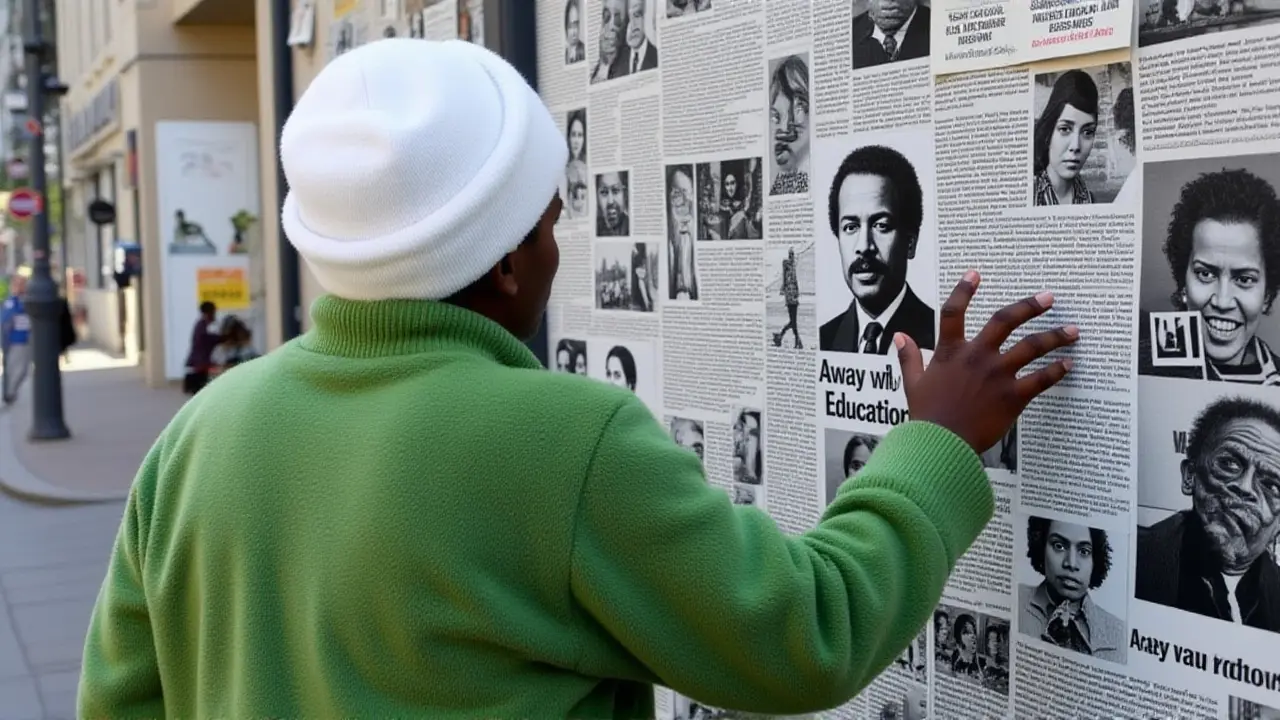
To understand where we are, you have to look at where we started. On 16 June 1976, thousands of Black students in Soweto, Johannesburg, took to the streets. They weren’t asking for permission; they were demanding dignity. Their protest against the compulsory use of Afrikaans in schools—part of the brutal Bantu Education policy—was met with lethal force by apartheid security forces.
Hundreds of youths were killed that day. It was a massacre that shook the world. Today, we mark 16 June as Youth Day, a public holiday honoring those who stood up when standing down meant death. But the commemoration has become more than a memorial. It’s a focal point for debating whether today’s youth still have the fire to shape their own future.
The historical context matters because it established a blueprint. Organizations like the South African Students’ Organisation (SASO), founded in 1968, and the Congress of South African Students (COSAS), formed in 1979, mobilized townships from Gugulethu in Cape Town to KwaMashu in Durban. These weren’t just student groups; they were political engines that helped dismantle an entire regime. Leaders like Nelson Mandela and Steve Biko cut their teeth in these spaces of intellectual and physical resistance.
From #FeesMustFall to Digital Mobilization
Fast forward to 2015. The torch was passed, but the method changed. Enter #FeesMustFall. What began as a dispute over tuition hikes at universities like the University of the Witwatersrand and the University of Cape Town exploded into a national movement. Thousands of students disrupted academic calendars, forcing the government to freeze fees for 2016 and expand financial aid through the National Student Financial Aid Scheme (NSFAS).
But wait, there was also #RhodesMustFall. Starting in March 2015 at the University of Cape Town, students demanded the removal of a statue of Cecil John Rhodes. By 9 April 2015, the statue was gone. This wasn’t just about stone and bronze; it was a challenge to institutional racism and colonial legacies within higher education. It inspired similar campaigns globally, proving that South African youth could lead global conversations on decolonization.
Turns out, the tools of activism have evolved too. Where previous generations relied on underground pamphlets and street marches, today’s activists wield social media. Platforms like Twitter, Facebook, and Instagram allow for rapid mobilization. The Democracy Development Program (DDP), a Durban-based NGO, notes that this digital shift allows youth to bypass traditional gatekeepers, sharing information and coordinating actions in real-time.
The Silent Crisis: Disengagement and Danger
Despite these successes, the picture is grim. The UN report highlights a dangerous trend: disillusionment. Many young South Africans feel disconnected from mainstream politics. Voter turnout among youth remains low, and trust in political parties is eroding. Why? Because the promises of 1994 haven’t fully materialized for them.
Consider the numbers. While the UN article doesn’t cite specific percentages, it emphasizes that youth unemployment is significantly higher than the national average. Coupled with poverty, limited access to quality education, and exposure to violence, these conditions stifle the capacity of young people to enjoy their basic human rights. It’s a recipe for disengagement. When you’re struggling to survive, organizing for systemic change feels like a luxury.
Then there’s the issue of safety. Activists today face intimidation, harassment, and sometimes violence. The South African Police Service (SAPS) has been criticized for using excessive force during protests. The risk is real. As Antoinette Sithole, sister of Hector Pieterson (one of the first children killed in 1976), recently urged, today’s youth must “fight their own generation’s battles.” Her call, made around the 50th anniversary of the uprising, underscores an intergenerational responsibility that cannot be ignored.
Gender-Based Violence and the ‘Second Pandemic’
One area where youth activism is critically needed is in combating gender-based violence (GBV). South Africa faces what many call a “second pandemic.” Young women and girls are disproportionately affected. The DDP points out that youth-led initiatives have been pivotal in raising awareness, particularly during the annual 16 Days of ActivismSouth Africa campaign, which runs from 25 November to 10 December.
In 2025, the theme is “Letsema: Men, Women, Boys and Girls working together to end Gender-Based Violence and Femicide.” This institutional framework intersects with grassroots efforts. Protests like #AmINext, which emerged in September 2019 after high-profile femicides, showed that young people are willing to take to the streets to demand justice. Yet, without sustained support, these movements risk burning out.
What’s Next for South African Youth?
The path forward requires more than just passion; it needs structure. The UN emphasizes the need for an “enabling environment” where freedoms of expression, association, and assembly are protected. This means holding duty-bearers accountable. It means ensuring that structures like youth councils and the National Youth Policy 2020–2030 are not just paper exercises but functional mechanisms for change.
Experts suggest that bridging the gap between informal activism and formal policy-making is key. If youth voices are excluded from decision-making tables, policies will fail to address their realities. The Independent Electoral Commission (IEC) and other institutions must find ways to re-engage young voters, perhaps by making the process more accessible and relevant to their immediate concerns.
As we approach the 50th anniversary of the Soweto uprising, the question isn’t whether South African youth care. They do. The question is whether society will give them the space, resources, and respect to lead. The answer will determine the health of South Africa’s democracy for decades to come.
Frequently Asked Questions
Why is the UN calling for a revival of youth activism in South Africa?
The UN argues that current socio-economic challenges, including high youth unemployment, inequality, and gender-based violence, require renewed civic engagement. With many young people feeling disengaged from formal politics, revitalizing activism is seen as crucial for holding governments accountable and protecting human rights.
How did the Soweto Uprising influence modern youth movements?
The 1976 Soweto Uprising established a legacy of student-led resistance against oppressive systems. Modern movements like #FeesMustFall draw inspiration from this history, adapting tactics to address contemporary issues such as educational access and institutional racism while maintaining the core principle of collective action.
What role does social media play in today's South African activism?
Social media platforms like Twitter and Instagram allow young activists to mobilize quickly, share information, and coordinate protests without relying on traditional organizational structures. This digital shift enables broader participation and faster response to emerging issues compared to the offline methods of the apartheid era.
Who is Antoinette Sithole and why is her message significant?
Antoinette Sithole is the sister of Hector Pieterson, one of the first victims of the 1976 Soweto Uprising. Her recent calls for youth to "fight their own generation's battles" serve as a powerful intergenerational link, urging current activists to apply the courage of the past to today's unique challenges.
What are the main risks facing youth activists in South Africa today?
Activists face risks including intimidation, harassment, arrest, and violent dispersal by law enforcement agencies like the SAPS. Additionally, socio-economic pressures such as unemployment and poverty can lead to burnout and disengagement, threatening the sustainability of long-term movements.