Millions of Kenyan workers are holding their breath. The fate of promised payslip tax relief now rests squarely on the desk of William Ruto, President of Kenya. While professional lobby groups push hard for measures that would boost disposable income and stimulate the local economy, the final call on whether these cuts make it into the upcoming Finance Bill is entirely up to the head of state.
The tension is palpable in Nairobi’s financial circles. Technocrats have done the math; politicians are weighing the optics. Here’s the thing: this isn’t just about numbers on a spreadsheet. It’s about whether the average commuter can afford lunch or if contractors finally get paid after years of waiting.
The Numbers Behind the Debate
Let’s look at what’s actually on the table. According to reports from Business Daily Africa, an internal committee within the National Treasury has already submitted its final recommendation to Treasury Cabinet Secretary John Mbadi, Cabinet Secretary of the National Treasury. But the proposal hasn't moved forward yet.
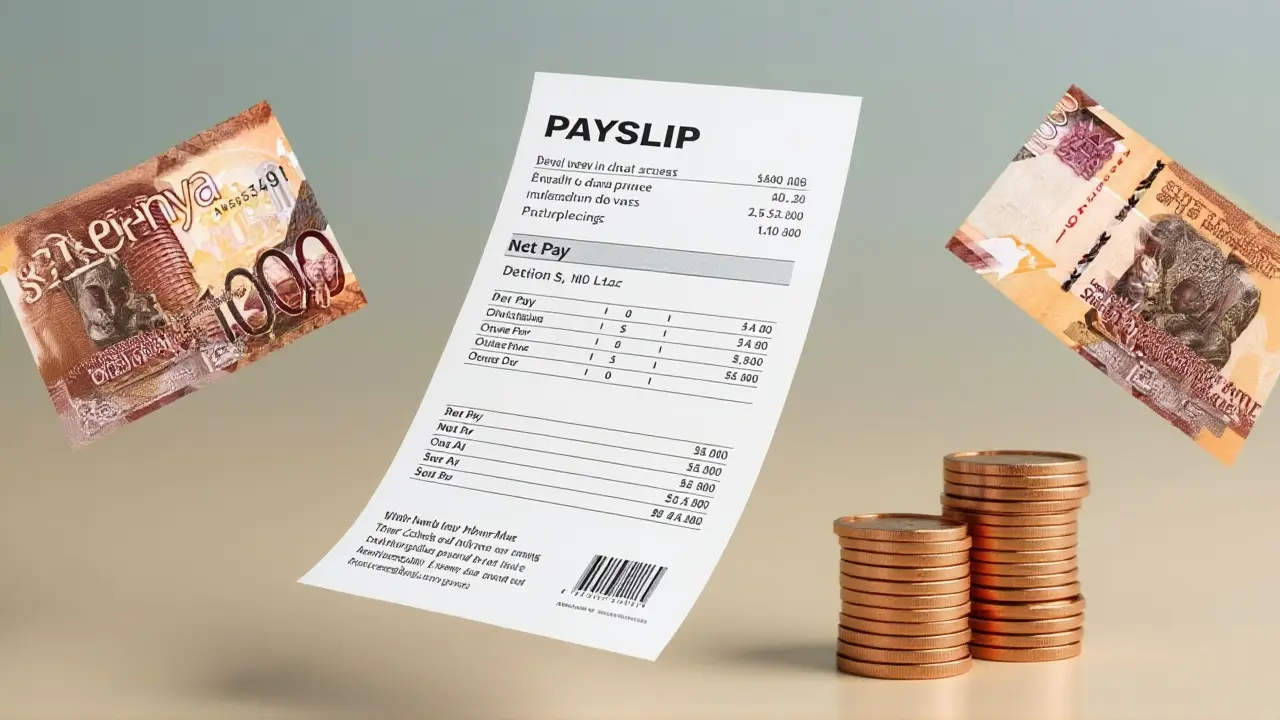
If implemented, the impact would be immediate and tangible for low-to-middle-income earners. Consider these specific projections tied to the Treasury’s earlier Tax Laws (Amendment) Bill:
- Ksh 30,000 earners: Net pay would rise by exactly Ksh 731.25, bringing monthly take-home to Ksh 26,925.00.
- Ksh 35,000 earners: This group sees a significant jump. Their Pay-As-You-Earn (PAYE) liability would drop from Ksh 1,853.13 to just Ksh 353.13—a reduction of Ksh 1,500.00. Net pay hits Ksh 31,059.38.
- Ksh 50,000 earners: These workers would see their net pay increase by Ksh 2,127.10, reaching a total of Ksh 41,156.25 per month.
But wait—there’s more. Recent announcements suggest even broader changes. At a high-profile event at State House, Nairobi, President Ruto went further than the initial committee recommendations. He publicly backed a full PAYE exemption for 1.5 million employed Kenyans earning less than Ksh 30,000 a month. "We are now saying that any Kenyan who earns less than 30,000 shillings will not pay any taxes," he declared.
Political Pressure and Economic Promises
Why the delay? The details are still unclear, but the political stakes are high. Professional bodies argue that reducing tax burdens is essential to managing the cost of living crisis. Meanwhile, the government faces pressure to deliver on campaign promises made during the recent election cycle.
The twist is that this tax relief is part of a larger economic package. During the same address at State House, where he hosted over 12,000 aspirants from the United Democratic Alliance alongside Deputy President Kithure Kindiki, Ruto announced two other major moves:
- Infrastructure Payments: The government pledged to clear Ksh 300 billion in pending bills to contractors within 48 hours. Ruto specifically stated, "We will pay all of them on Friday," targeting bill certificates issued up to December 2025.
- CRB Cleanup: Approximately 7 million Kenyans previously blacklisted by Credit Reference Bureaus (CRBs) have been removed from the lists, fulfilling a promise first made in 2022.
Ruto framed these actions as steps toward his "Singapore first-world economy dream." It’s ambitious language, aiming to position Kenya not just as a regional hub, but as a global competitor in efficiency and development.
What Experts Are Saying
Economic analysts view these moves with cautious optimism. On one hand, injecting liquidity into the hands of consumers through tax cuts can stimulate demand. If 1.5 million people suddenly have more disposable income, local businesses—from matatu operators to supermarket chains—should see a bump in sales.
However, there’s a flip side. Reducing PAYE rates, especially slashing them to 25% for those earning up to Ksh 50,000 as reported by Kenyans.co.ke, directly impacts government revenue. With infrastructure debts mounting, can the exchequer afford both the tax breaks and the Ksh 300 billion payout to contractors? That’s the question keeping economists awake at night.
John Mbadi has indicated that the Ministry is reviewing the technocratic data against fiscal realities. The process involves balancing immediate populist relief with long-term sustainability. It’s a tightrope walk.

Timeline and Next Steps
So, when do we know for sure? The Finance Bill must be finalized before the end of the parliamentary session, typically leading up to the budget speech in June. However, the announcement regarding contractor payments suggests some measures might roll out sooner, potentially within days of the presidential directive.
For workers earning under Ksh 30,000, the expectation is now set for total exemption. For those between Ksh 30,000 and Ksh 50,000, the reduction in PAYE liability remains contingent on the final wording of the Finance Bill. Keep an eye on parliamentary debates starting next month—that’s where the real fight over these figures will happen.
Frequently Asked Questions
Who decides if the payslip tax cuts happen?
The final decision rests with President William Ruto. While the National Treasury, led by Cabinet Secretary John Mbadi, provides technical recommendations and calculations, the inclusion of these tax cuts in the Finance Bill requires presidential approval before it goes to Parliament.
How much will I save if I earn Ksh 35,000?
If the proposed changes are fully implemented, workers earning Ksh 35,000 gross per month would see their PAYE liability drop by exactly Ksh 1,500. Your net pay would increase from approximately Ksh 29,559 to Ksh 31,059.38, giving you significantly more disposable income each month.
Are low-income earners completely exempt from tax?
Yes, according to recent announcements by President Ruto. Approximately 1.5 million employed Kenyans earning less than Ksh 30,000 per month are set to be fully exempted from Pay-As-You-Earn (PAYE) tax, meaning they keep their entire gross salary minus statutory non-tax deductions.
When will contractors receive their pending payments?
President Ruto committed to clearing Ksh 300 billion in pending infrastructure bills within 48 hours of his announcement. He specifically stated that payments for bill certificates up to December 2025 would be processed by the following Friday, aiming to inject liquidity into the construction sector immediately.
Has the CRB blacklist cleanup happened?
Yes. The government has already removed approximately 7 million Kenyans from Credit Reference Bureau (CRB) blacklists. This action fulfills a campaign promise made in 2022 and is designed to restore credit access for individuals who had defaulted on small loans due to financial hardship.