
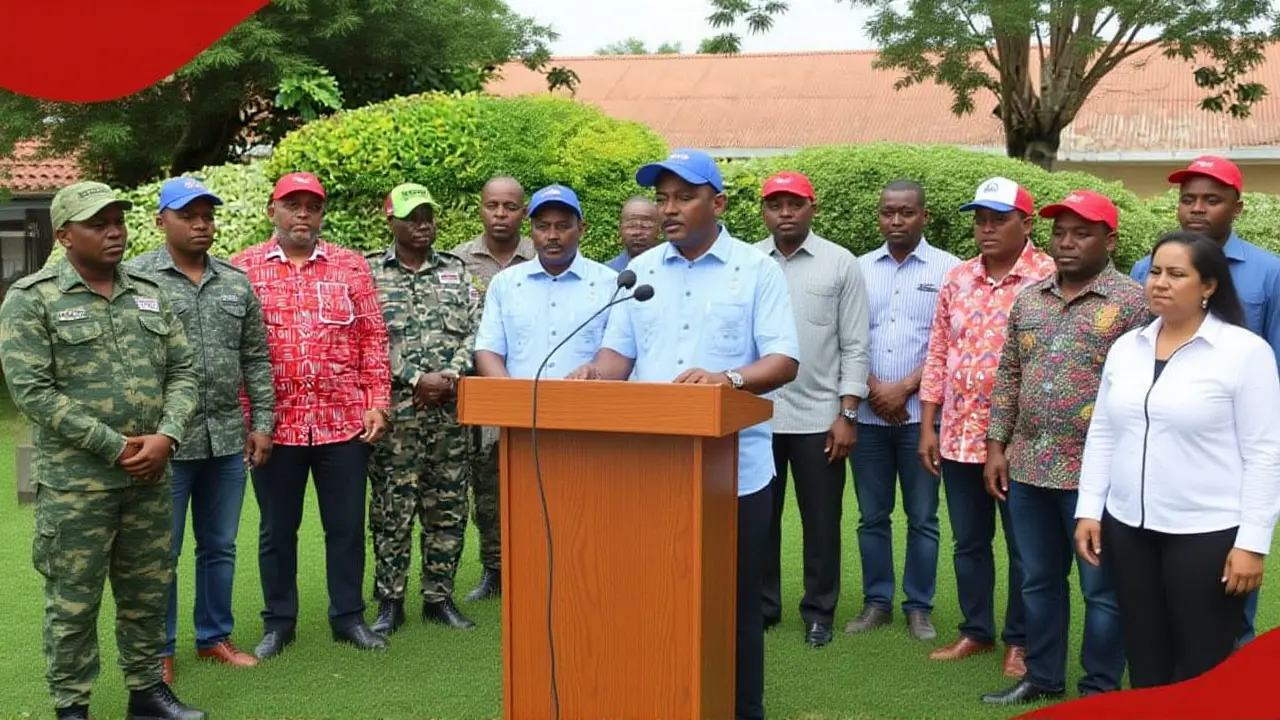
In a move that surprised even seasoned political watchers, Kalonzo Musyoka, leader of the Wiper Patriotic Front Party, announced a temporary halt to their high-profile roadshow on Tuesday, March 31, 2026. Speaking at an opposition rally in Kathonzweni, Makueni county, the former vice president revealed the Komboa Kenya Tour would skip stops in Kitui and Machakos for two days. It’s a rare moment when political campaigning bows to both faith and economic hardship.
Here's the thing about Kenyan elections—the calendar often dictates the strategy more than any manifesto. The suspension aligns perfectly with Easter Sunday, which falls on April 5, 2026, but the observance begins earlier for many. Musyoka made it clear that Friday, April 3, would not see political banners up in Machakos because it coincides with Good Friday. "On Friday, we were to be in Machakos, but because it will be a day when Jesus was crucified... we have agreed to suspend the tour," he told the crowd. It wasn't just a scheduling tweak; it was a signal to his Catholic base that religious sentiment holds weight above campaign milestones.
The Intersection of Faith and Politics
Musyoka’s decision highlights the delicate balance politicians must strike in deeply religious communities. While the tour was meant to run for five days starting March 30, the leadership recognized that forcing a presence during Holy Week could backfire. Interestingly, this isn't the first time religious holidays have influenced Kenyan campaign trails. But pairing it with another significant issue shows strategic planning.
While the religious angle explained the timing, the second driver for the pause is grittier. The opposition found themselves needing to stand in solidarity with small business owners facing eviction. This connects the national tour to local grievances instantly, which is crucial for voter mobilization in lower eastern regions.
Solidarity with Gikomba Traders
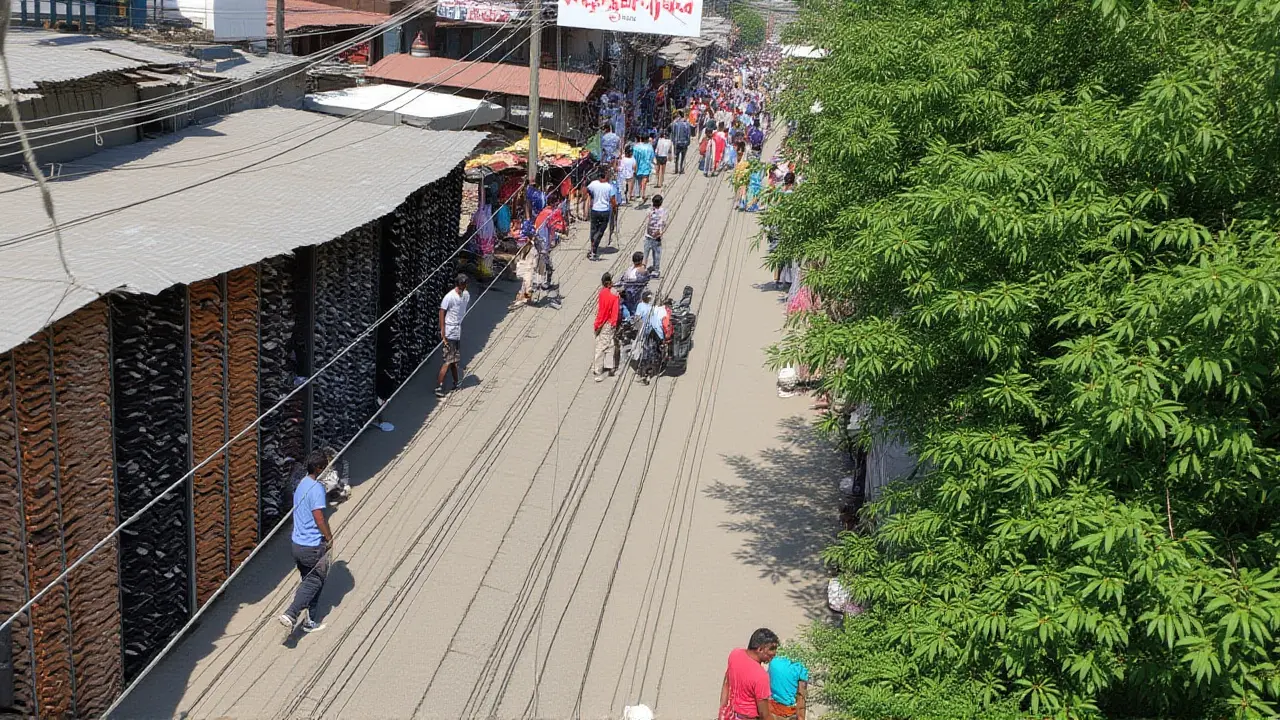
Turns out, the suspension also serves as a symbolic protest against recent developments at Gikomba Market. Just before the announcement, an overnight demolition had destroyed property belonging to traders who hadn't relocated from riparian land. The government had issued notice expiring on March 30, 2026, claiming the area needed clearance for flood control measures and a modern market facility.
However, former Deputy President Rigathi Gachagua wasn't having it. He characterized the demolition efforts as inhuman. In his view, President William Ruto was frustrated by what Gachagua called the 'wantam' clarion—a Swahili slang reference to public outcry or noise from the people. By pausing the tour, the opposition signals they aren't ignoring the plight of the informal sector workers who keep Nairobi’s economy moving.
Key Players and Strategic Alliances
The Komboa Kenya tour isn't a solo act. It features a lineup that represents a broad spectrum of opposition voices. Alongside Musyoka, the convoy includes ex-Attorney General Justin Muturi and DAP-Kenya leader Eugene Wamalwa. This coalition is designed to consolidate the anti-Ruto vote across multiple factions.
Their core message remains consistent despite the pause: President Ruto should serve only a single term. Citing ongoing economic struggles and health system challenges, the group argues that continuity in leadership isn't working for the common citizen. They plan to resume the tour once the Easter period concludes, though exact dates haven't been released yet. The hope is that the break won't dampen the momentum built in the initial days.
Implications for the Campaign Trail
How does this pause impact the wider election narrative? For now, it keeps the opposition relevant in conversations about social welfare without appearing insensitive to religious norms. Skipping the rallies in Machakos County and Kitui County for 48 hours prevents potential backlash while building sympathy over the Gikomba situation.
The broader implication is about resource allocation too. Transport, security, and logistics for a five-day multi-county tour are expensive. By tweaking the schedule, they might be managing costs while maximizing media coverage for the specific Gikomba cause. It's a tightrope walk between grassroots engagement and national branding.
Frequently Asked Questions
When will the Komboa Kenya tour officially resume?
As of Tuesday, March 31, 2026, Kalonzo Musyoka has not confirmed exact resumption dates. However, he indicated dates will be announced shortly after the Easter holiday period concludes, likely in mid-April 2026, depending on logistical arrangements for the next leg.
Which specific counties are affected by the suspension?
The two-day suspension specifically impacts scheduled stops in Kitui and Machakos counties. These were originally slated for late March and early April, but the opposition leadership prioritized Easter observance and solidarity activities instead of campaign rallies in these regions.
Why is Gikomba Market a focal point for the opposition?
Gikomba Market traders recently faced demolition orders on riparian land. By taking a stand, the opposition frames the issue as a fight against displacement of livelihoods. It helps connect elite-level political promises with ground-level economic realities affecting millions of informal workers.
Who else is participating in the tour besides Kalonzo Musyoka?
The tour features prominent figures including former Deputy President Rigathi Gachagua, retired Attorney General Justin Muturi, and Eugene Wamalwa from DAP-Kenya. This mix represents various strands of the current opposition coalition seeking to challenge the current administration.



19 Comments
so they stopped the tour because of easter and market stuff which makes sense actually
down under we see similar campaigns sometimes where local issues drive national stops
the gikomba situation is definitely a priority for many working class folks here in kenya too
sure sounds like they are thinking about voters more than politicians usually do nowadays
politicians should respect faith moreso than campaign dates and not put money ahead of god
i think this move shows character even if its strategic timing
poor people dont deserve eviction anyway and the rich will always find ways to protect their interests
politics often gets messy when it mixes with deep religious beliefs in any country
You cannot ignore the cultural weight of Easter Sunday without risking backlash from conservative voters
This specific pause shows leadership that understands the ground game better than the urban elite
The economic angle regarding Gikomba adds another layer to the whole situation completely
Traders losing their livelihoods during a crisis is something that demands immediate political attention
If the government continues demolishing riparian structures then opposition must step in eventually
Kalonzo has always been known for making moves that seem traditional but are actually very calculated
Skipping Machakos for Good Friday sends a clear message to the Catholic demographic in the region
They know that campaigning on holy days could alienate the very base they are trying to reach today
It is interesting to see how the calendar dictates the strategy more than any written manifesto ever could
Logistical costs for such a massive multi-county tour are probably draining resources already
A brief hiatus allows the team to reset their security protocols before moving deeper east
The coalition featuring former officials creates a broad spectrum appeal across different factions
Opposition unity is fragile so maintaining morale during these pauses is critical for longevity
Hopefully they manage to resume strong momentum once the Easter period concludes fully
This tactical pause seems necessary given the current religious calendar.
hope the break helps them plan better for the upcoming election season ahead
religious holidays do matter in kenya though so they cant risk offending the faithful base
its smart to acknowledge the season even if it delays the roadshow
oh wonderful saving the economy by skipping rallies instead of fixing roads
classic politician maneuver to gain sympathy points
strategic temporal realignment serves as a mechanism for ideological signaling within the voter base demographics
The decision demonstrates fiscal responsibility and social awareness simultaneously.
ruto doesnt care about any of this garbage or the poor people losing their homes
Love this show of solidarity :) hope they get the job done
Let us support the workers fighting for their homes !! 💪🏽
Solidarity is key 😊
OH MY GOD THEY ARE FIGHTING FOR REAL AND IT IS SO DRAMATIC
I CANT EVEN BELIEVE THIS IS HAPPENING IN 2026
Its hard to keep up with all the changess in the schedule honestly
they would have cancelled anyway regardless of religion just to save money
in my opinion everyone knows this was planned all along