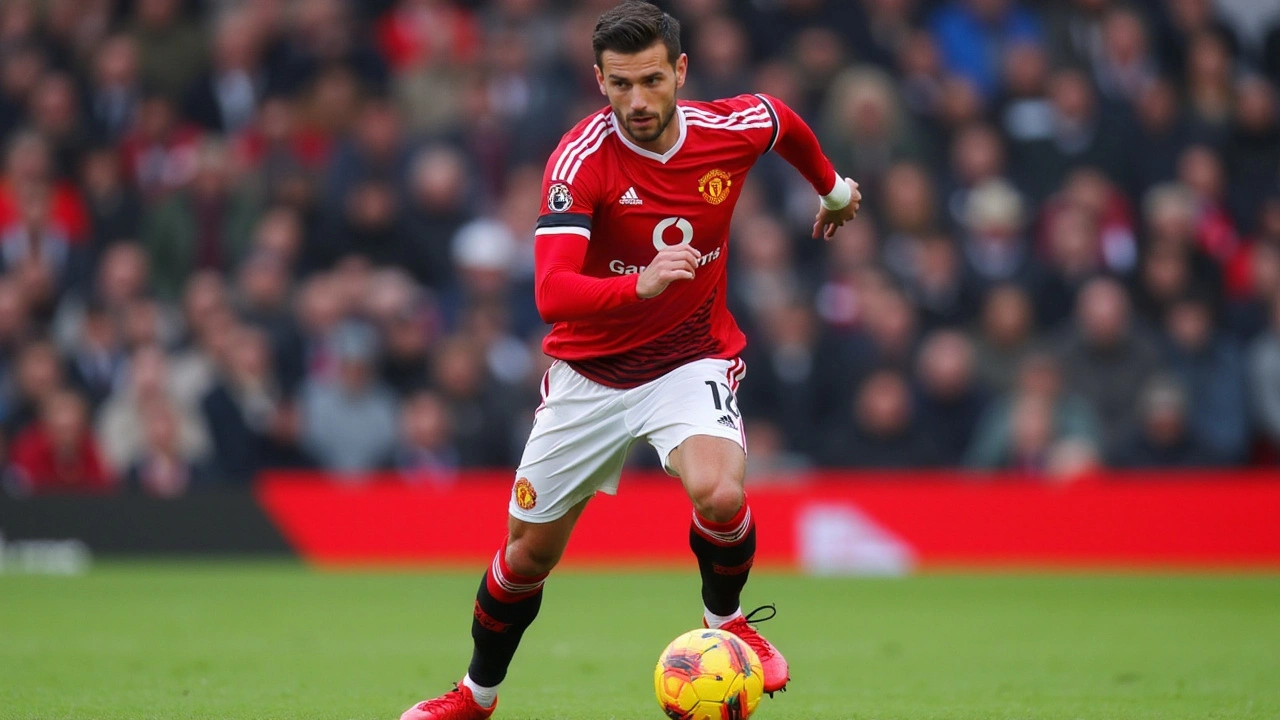
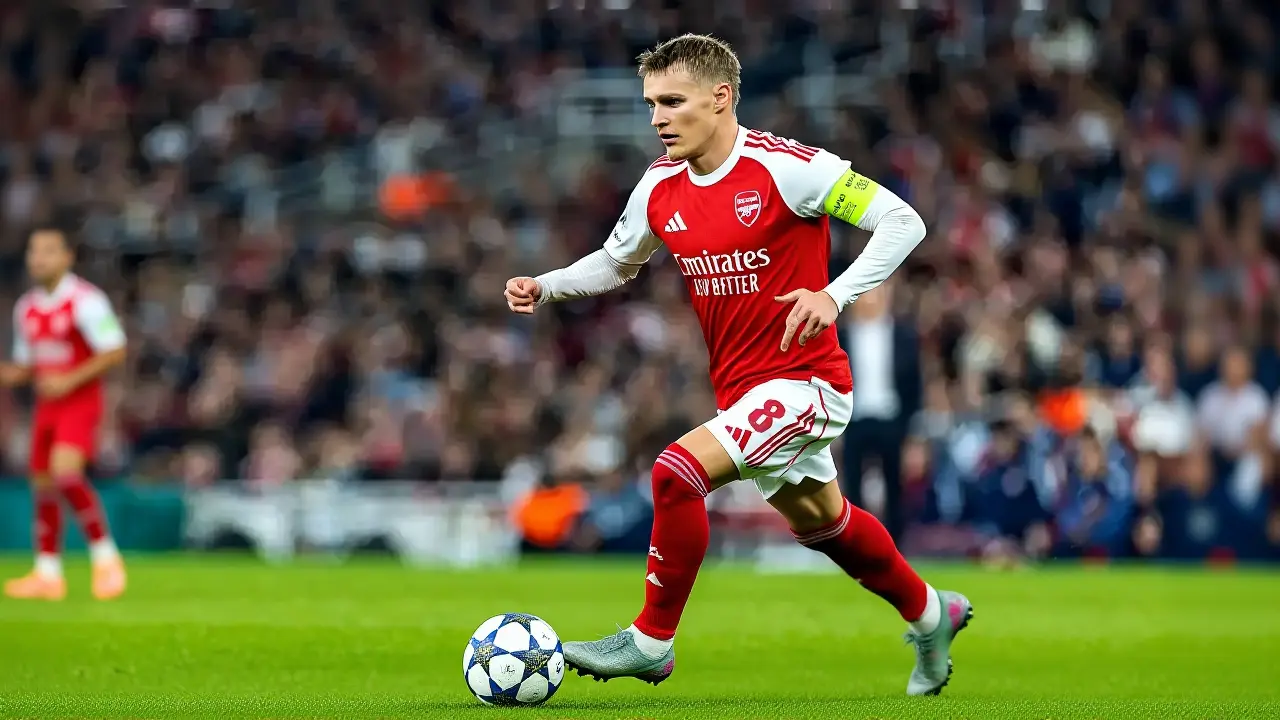
When Eberechi Eze, midfielder of Arsenal FC, scored a hat-trick in the North London derby on Sunday, he didn’t just win the match. He effectively hijacked the conversation about who starts for Arsenal next week. The former Crystal Palace star’s performance was so dominant that it has forced manager Mikel Arteta into a genuine selection headache, leaving captain Martin Ødegaard fighting to reclaim his place in the starting XI.
The victory over Tottenham Hotspur moved Arsenal six points clear at the top of the Premier League table, but the real story isn’t the gap—it’s the personnel shuffle that’s now inevitable. Here’s the thing: pundits and fans alike had written off Eze as a luxury signing. Turns out, they were wrong.
The Pundit’s Reckoning
Jamie Carragher admitted on Sky Sports that he underestimated the impact Eze would have at the Emirates. "I didn't think he'd be a game changer," Carragher confessed, referencing his earlier skepticism about the transfer. "But watching him operate on the right side? That was the real difference." It’s rare for a seasoned analyst to publicly reverse their stance so quickly, but Eze’s display left little room for debate. The midfielder didn’t just score; he dictated play, dragged defenders out of position, and created chances with a casualness that suggests this is just the beginning.
Carragher’s reassessment highlights a broader shift in perception. When Arsenal signed Eze, critics questioned whether his style fit Arteta’s rigid tactical structure. Now, those same critics are wondering if Arteta can possibly leave him out. The twist? This wasn’t planned. Eze stepped into a void left by injuries and form dips, and he filled it with flair.
Ødegaard’s Precarious Position
For Martin Ødegaard, the news is less comfortable. The Norwegian captain has been the heartbeat of Arsenal’s midfield since arriving from Real Madrid, but consistency has been elusive this season. Eze’s hat-trick exposes a harsh truth: football is a meritocracy, and form trumps loyalty. Carragher emphasized that Ødegaard now faces a "battle" to return to the team—a polite way of saying his spot is no longer guaranteed.
This isn’t about personal failure. Ødegaard remains a key creator, but Eze offers something different: unpredictability. While Ødegaard operates within systems, Eze breaks them. In a title race where margins are razor-thin, that kind of chaos can be invaluable. Arteta knows this. The question is whether he’s willing to disrupt his established hierarchy to harness it.
Arteta’s Selection Dilemma
Mikel Arteta finds himself in a classic manager’s conundrum. On one hand, he has a proven leader in Ødegaard, someone who understands the club’s culture and tactical demands. On the other, he has Eze, a player who just proved he can single-handedly dismantle a rival’s defense. The decision isn’t just about ability—it’s about identity. Does Arsenal want to be the disciplined machine or the creative force?
The stakes couldn’t be higher. With six points separating them from second place, every match matters. A misstep here could cost them the title. Arteta’s choice will signal his vision for the rest of the season. If he sticks with Ødegaard, he prioritizes stability. If he goes with Eze, he bets on brilliance. Both paths carry risk.
Broader Implications for the Title Race
This internal competition reflects a larger trend in the Premier League: depth is king. Teams like Manchester City and Liverpool thrive because they can rotate without losing quality. Arsenal’s situation shows they’re approaching that level, but it also reveals vulnerability. What happens if both players get injured? Or worse, what if neither performs?
Experts suggest that Arteta might use a phased approach. Start Eze in high-stakes matches where creativity is needed, then reintroduce Ødegaard when control is paramount. It’s a delicate balancing act, but one that could pay dividends. After all, titles aren’t won by playing safe—they’re won by making bold calls.
What’s Next for Arsenal?
The immediate future looks bright. A six-point lead provides breathing room, but complacency is dangerous. Upcoming fixtures against Chelsea and Manchester United will test Arteta’s resolve. Will he trust Eze again? Can Ødegaard respond with urgency? These questions will define the next month.
Background context matters too. Last season, Arsenal faltered late due to fatigue and lack of rotation. This year, Eze’s emergence offers a solution. But only if managed correctly. History shows that teams which fail to integrate new stars often stall. Arsenal must avoid that trap.
Frequently Asked Questions
Why is Eberechi Eze considered a bigger threat than before?
Eze’s hat-trick demonstrated his ability to operate outside traditional roles, particularly on the right flank where he combined dribbling, vision, and finishing. Unlike previous seasons where he was limited by injury or tactical constraints, he now plays with freedom and confidence, making him unpredictable and difficult to mark.
How does this affect Martin Ødegaard’s role at Arsenal?
Ødegaard’s position as automatic starter is no longer secure. While he remains captain and a key creative figure, Eze’s recent form forces Arteta to consider alternatives. Ødegaard may need to adapt his game or accept reduced minutes unless he responds with consistent performances.
What did Jamie Carragher mean by calling Eze the 'real difference'?
Carragher meant that Eze possesses qualities—creativity, spontaneity, and goal-scoring instinct—that go beyond standard midfield duties. His ability to change games in moments of crisis makes him potentially more valuable than technically proficient but predictable players like Ødegaard in certain contexts.
Is Arsenal’s six-point lead sustainable?
While significant, a six-point cushion is not insurmountable. Teams like Manchester City and Liverpool have closed larger gaps before. Sustainability depends on maintaining momentum, avoiding injuries, and managing squad rotation effectively—especially with key players like Eze pushing themselves hard.
Could Arteta play both Eze and Ødegaard together?
Yes, though tactically challenging. Playing both would require shifting formations, perhaps moving Ødegaard deeper or using Eze as a false nine. It risks overcrowding midfield but could unlock defenses through dual creativity. Arteta may experiment in cup games before trying it in crucial league matches.