Harlem Midnight Meeting: Malcolm X, Fidel Castro and the Roots of Global Liberation
Midnight on September 19 1960, Malcolm X and Fidel Castro met at Harlem's Hotel Theresa, forging a bond that still shapes modern Palestinian solidarity.

When learning about Malcolm X, a pivotal figure in mid‑20th‑century activism who championed Black empowerment, self‑defense, and global human rights, it’s easy to see why his story still sparks debate. Also known as El-Hajj Malik El‑Shabazz, he reshaped public discourse on race, identity, and justice. This page pulls together fresh analysis, historic context, and contemporary reflections on his impact.
Born Malcolm Little in Omaha, Nebraska, his early years were marked by hardship, loss, and a deep distrust of the system that seemed rigged against Black families. After a stint in prison, he joined the Nation of Islam, a religious movement that blended Islamic teachings with Black nationalist ideas. The organization gave him a platform, a disciplined routine, and a voice that resonated across the United States. His charisma turned local speeches into national headlines, setting the stage for a broader civil rights showdown.
From there, the Malcolm X narrative intertwines with the Civil Rights Movement, the collective struggle for racial equality and voting rights in the 1950s‑60s. While leaders like Martin Luther King Jr. promoted nonviolent protest, Malcolm X argued for self‑defense and warned against complacency. This dual approach created a dynamic tension that pushed both strategies forward. The movement required a blend of peaceful marches and the stark reality of protecting communities, a balance that Malcolm X helped shape.
His evolution didn’t stop at national borders. After a pilgrimage to Mecca, he embraced a more inclusive view of humanity, linking the fight for Black rights to broader human rights, universal freedoms that transcend race, religion, or nationality. He saw oppression as a global phenomenon, arguing that true liberation meant solidarity between marginalized groups worldwide. This perspective broadened the fight, influencing future trans‑national activist networks.
Malcolm X’s story is a cornerstone of African American history, the chronicle of Black experiences, achievements, and struggles in the United States. His speeches, writings, and personal transformation provide a lens to examine the complexities of identity, resistance, and empowerment. Historians cite his autobiography as a primary source that captures the raw, unfiltered voice of a leader who refused to settle for half‑measures.
Today, educators use his legacy to teach critical thinking about social justice. Universities host seminars on his rhetorical style, while community groups organize workshops on self‑defense and political organizing, echoing his belief that knowledge paired with action fuels change. Modern protest movements—whether fighting police brutality or climate injustice—often echo Malcolm X’s call for strategic, unapologetic resistance.
Media portrayals continue to reinterpret his life. Films, documentaries, and graphic novels explore his complexity, bringing his story to new generations. Each retelling adds layers, reminding us that his ideas still spark conversation about race, religion, and power. The constant re‑examination proves that his influence isn’t static; it adapts to each era’s challenges.
Below you’ll find a curated collection of articles, analyses, and opinion pieces that dive deeper into these themes. From his early days with the Nation of Islam to his later global human‑rights advocacy, the posts cover the breadth of his impact and show how his legacy lives on in contemporary activism and scholarship. Explore the stories, and see how Malcolm X’s ideas still shape the world today.
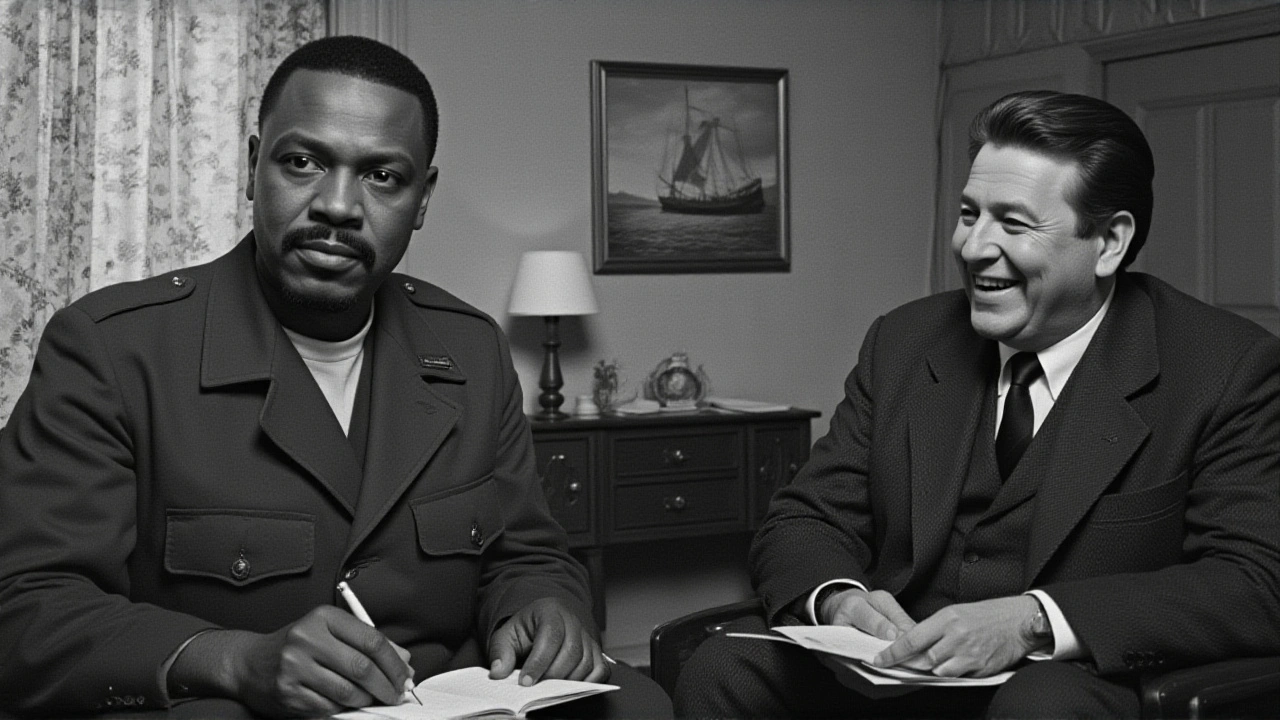
Midnight on September 19 1960, Malcolm X and Fidel Castro met at Harlem's Hotel Theresa, forging a bond that still shapes modern Palestinian solidarity.